Fall Bundt Cake Recipe with Carrots and Cream Cheese Frosting
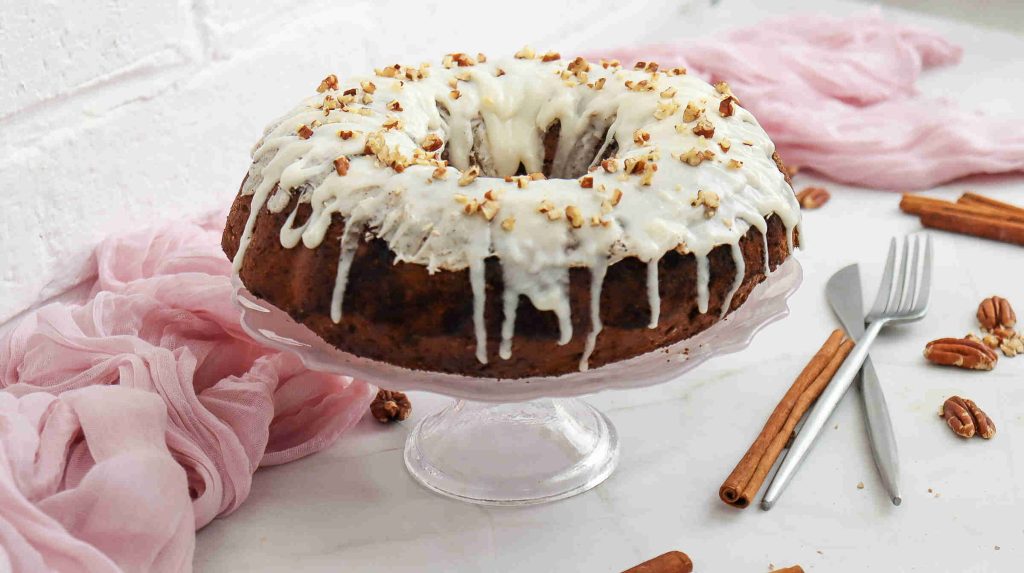
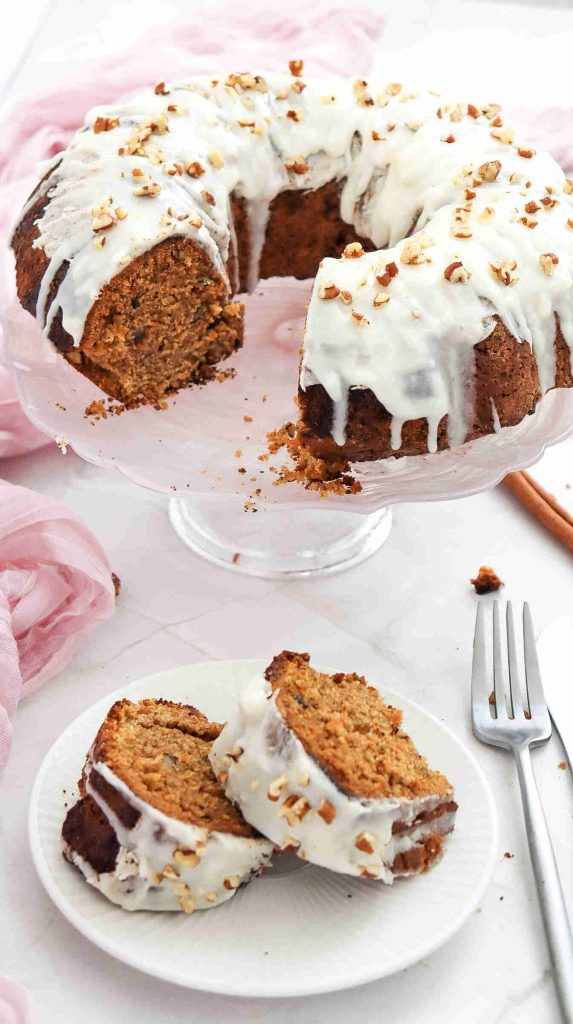
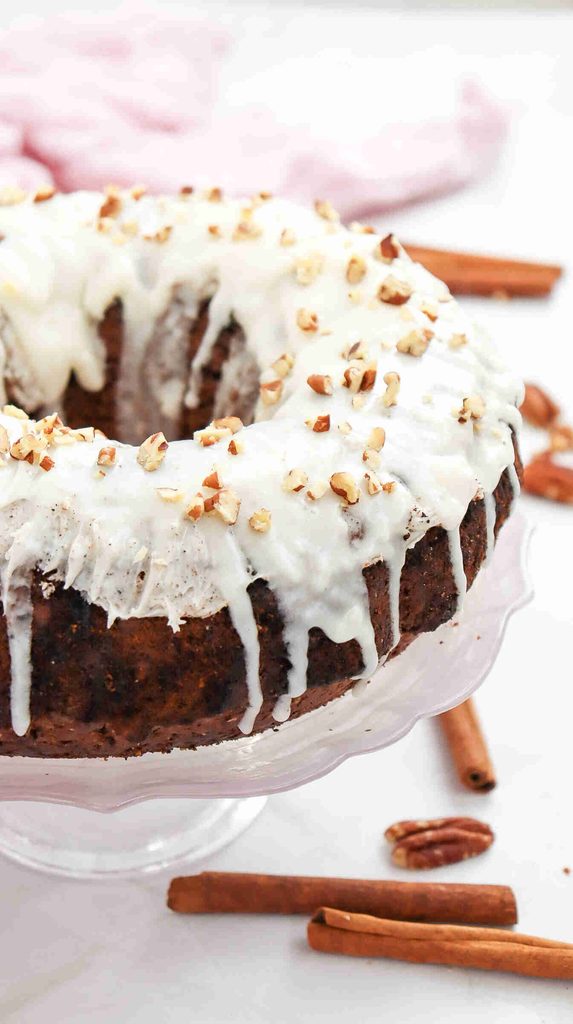
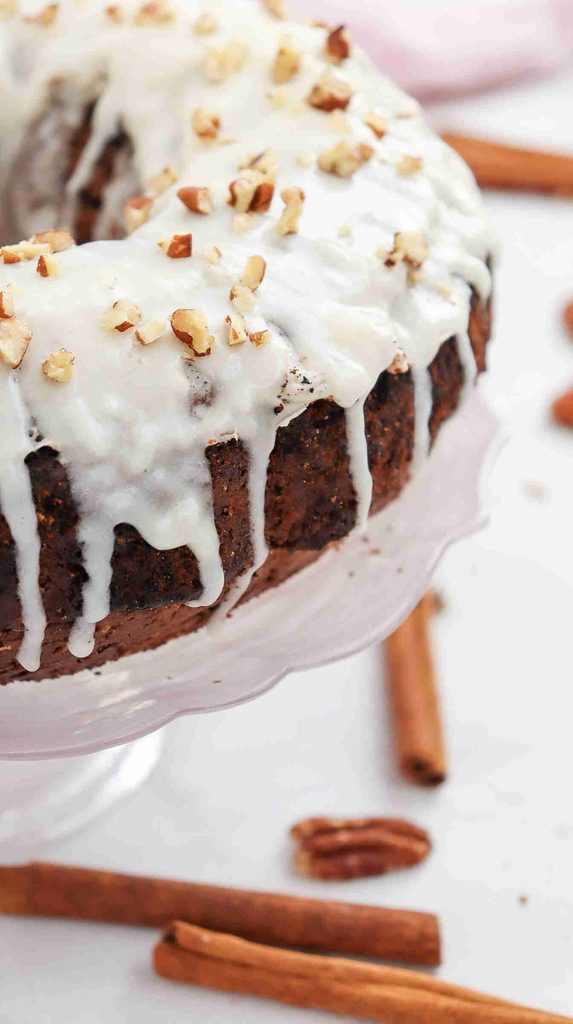
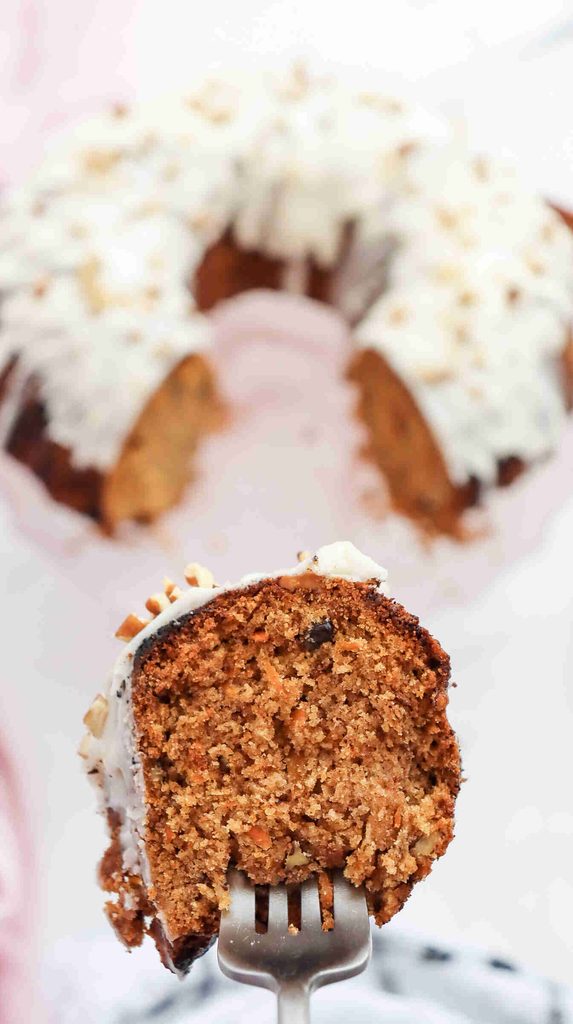
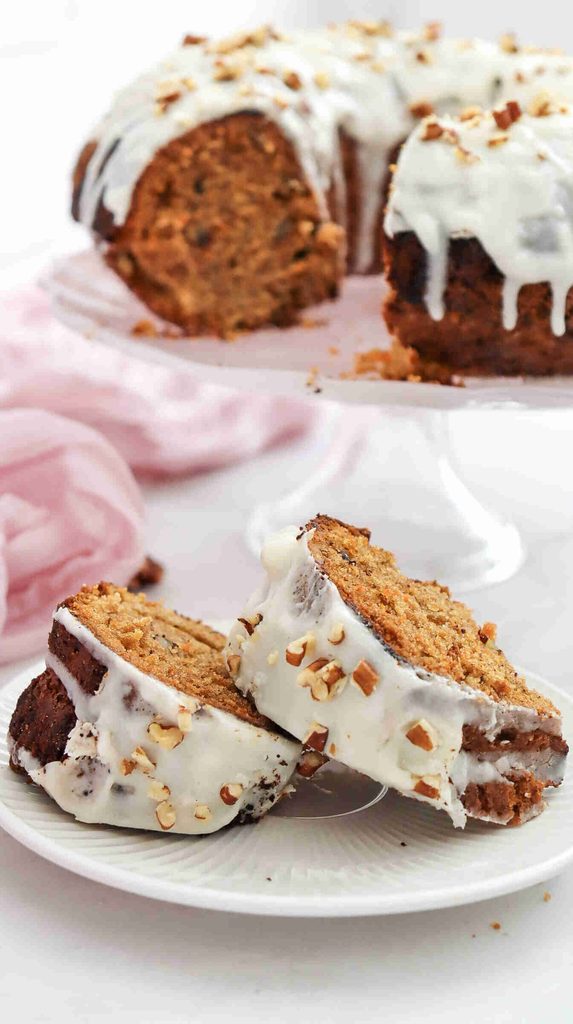
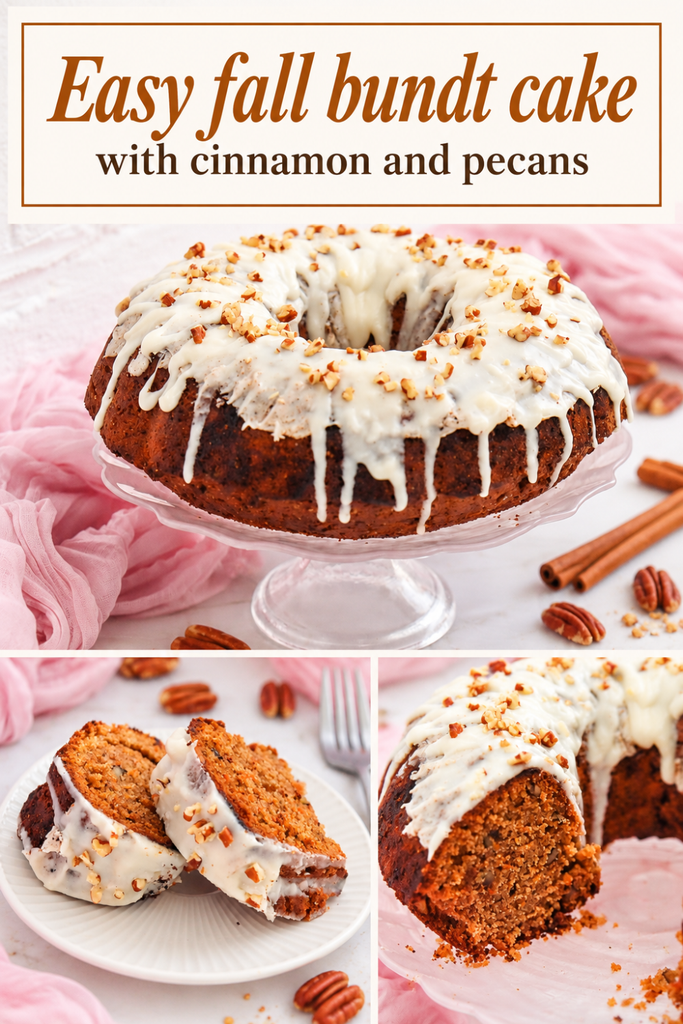
A full tablespoon of cinnamon goes into this batter, so this fall bundt cake fills the kitchen with warm spice before it’s even out of the oven. Grated carrots and chopped pecans run all the way through the crumb, and the cream cheese frosting settles into the ridges and drips down the sides.
Sound good? Grab your bundt pan and let’s make it.
Why You’ll Love This Recipe
- No mixer to drag out. A whisk, a spatula and two bowls get you to a full bundt cake.
- It holds up for days. Bake it Wednesday and it’s still soft on Thursday, which takes one thing off the list in a busy holiday week.
- The pan does the decorating. Spoon the frosting over the top, let it find the ridges, scatter pecans, and you’re finished.
- It feeds a table. Twelve slices from one cake, enough for a crowd without a backup dessert.
When and Who This Is For
Carrot cake gets filed under spring, mostly out of habit. The spice list here is cinnamon and nutmeg, the finish is toasted nuts and cream cheese, and carrots themselves are a cold-weather crop, so October suits this cake better than April ever did.
This is the one for a Sunday afternoon when you want the oven on for a while, and for the Thanksgiving table, where there’s usually someone who would rather have cake than pie.
It’s vegetarian, so if you need a dairy and egg free option for the table, my vegan pumpkin chocolate chip cookies are the fall bake to make instead.
Ingredients
Makes one 10 inch bundt cake, 12 slices. Everything in this fall bundt cake recipe is pantry standard apart from the carrots.
For the carrot cake
- 2 cups all-purpose flour (about 240 g)
- 1 cup packed brown sugar (about 200 g)
- ½ cup pure maple syrup (about 120 ml)
- 1 teaspoon baking powder (about 4 g)
- 1 teaspoon baking soda (about 5 g)
- 1 tablespoon ground cinnamon (about 8 g)
- ½ teaspoon ground nutmeg (about 1 g)
- ½ teaspoon salt (about 3 g)
- 1 cup vegetable oil (about 240 ml)
- 4 large eggs
- 1 teaspoon vanilla extract (about 5 ml)
- 1½ cups grated carrots, about 2 to 3 medium carrots (about 150 g)
- ½ cup chopped walnuts or pecans, plus extra for sprinkling (about 60 g)
For the cream cheese frosting
- 1 tub (8 oz / 225 g) cream cheese frosting. I use Betty Crocker.
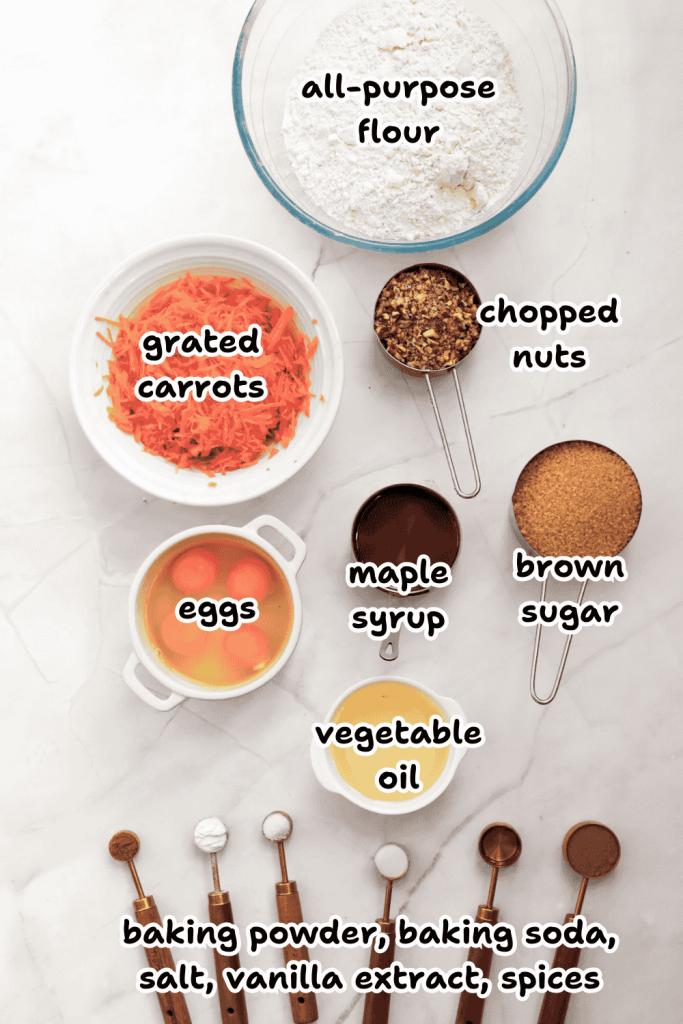
Cinnamon. A full tablespoon against two cups of flour is roughly double what a spice cake usually gets, and that’s deliberate. It’s what makes this taste as a fall spice bundt cake first and a carrot cake second.
Carrots. Grate them yourself on the small or medium holes of a box grater. Bagged pre-shredded carrot is cut much thicker and holds its shape right through the bake, so instead of melting into the crumb it leaves recognizable strands in every slice. One thing worth knowing while you’re peeling: carrots are at their sweetest in cold weather. When temperatures drop, the plant converts stored starch into sugar to stop its own cells from freezing. It’s the same reason parsnips are better after the first frost.
Vegetable oil. Oil instead of butter is why this keeps as well as it does. Butter is solid at refrigerator temperature, so a butter cake firms up when it’s chilled. Oil stays liquid, and a slice out of the fridge is still soft.
Maple syrup. Pure maple, not pancake syrup. It’s the smaller of the two sweeteners here, so it sits behind the brown sugar and adds depth rather than a flavor of its own.
Pecans. Pecans are what I use, though walnuts behave exactly the same way. Either one can be toasted first in a dry pan over medium heat for a few minutes, just until they smell nutty, then cooled before chopping.
The frosting. A tub of store-bought cream cheese frosting, stirred loose until it pours rather than spreads. That looser consistency is what gives you the drips down the ridges instead of a flat cap on top.
How to Make This Fall Bundt Cake
Take the eggs out of the fridge about 10 to 15 minutes ahead, and grate the carrots before you start mixing.
1. Whisk the dry ingredients
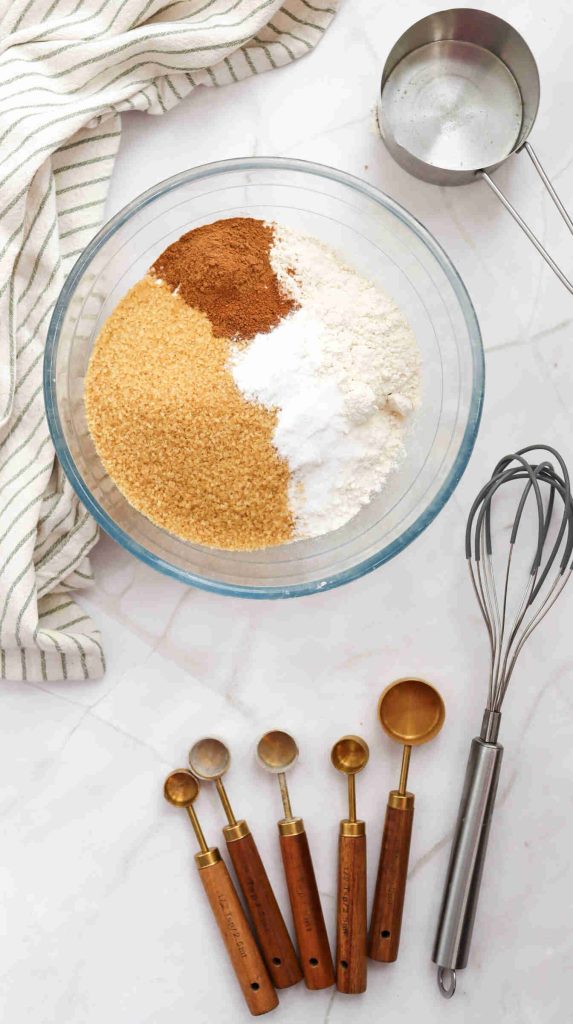
In a large bowl, combine the flour, brown sugar, baking powder, baking soda, cinnamon, nutmeg and salt. Break up any lumps in the brown sugar with your fingers first, then whisk for 20 to 30 seconds so the leaveners and spices spread evenly through the flour.
2. Heat the oven and prepare the pan
Heat the oven to 350°F (175°C) with a rack in the center. Grease a 10 inch bundt pan thoroughly, working into every ridge and all around the center tube, then dust it with flour and tap out the excess. A baking spray that already contains flour does the same job in less time. Grease the pan right before the batter goes in rather than at the start of your prep (spray it if it’s a smooth pan so it’s coated evenly, and do not use butter for this – the milk solids in butter behave like glue against hot metal, which is the opposite of what you want here).
3. Whisk the wet ingredients
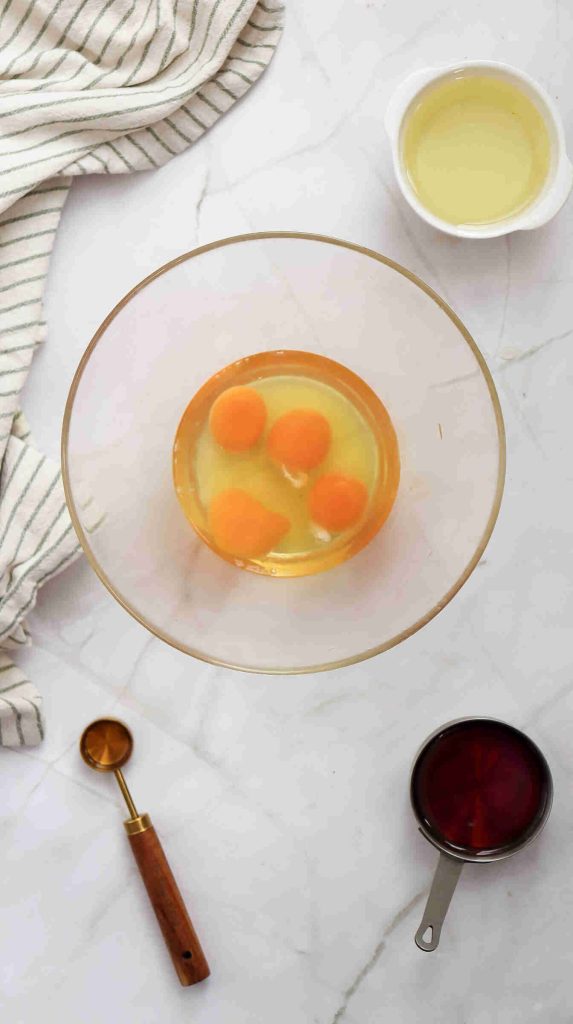
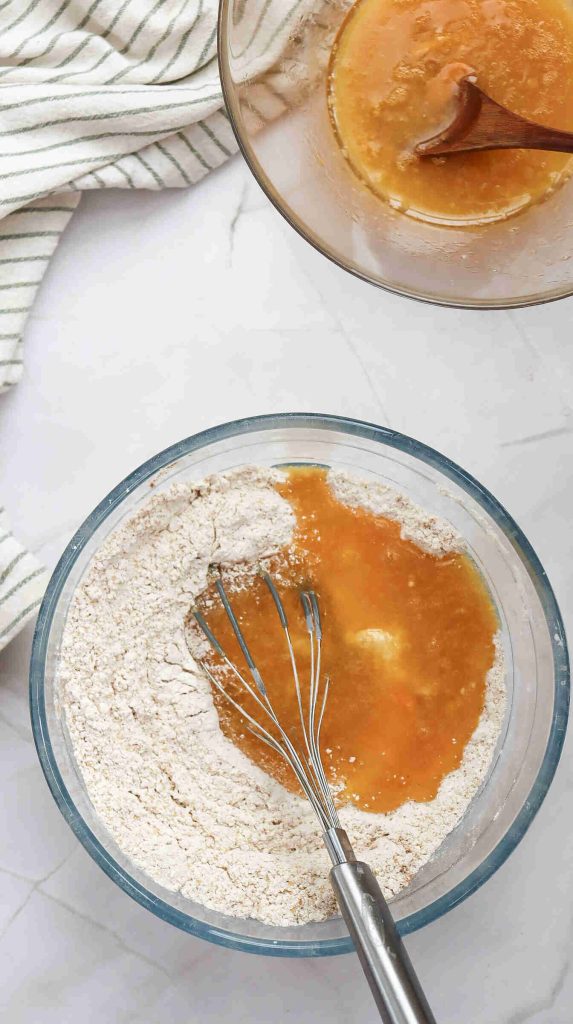
In a second bowl, whisk the oil, maple syrup, eggs and vanilla until the mixture looks smooth and a shade lighter.
If your eggs came straight from the fridge, sit them in a bowl of warm water for about 5 minutes before cracking them.
4. Bring the batter together
Pour the wet mixture into the dry in two or three additions, stirring gently with a spatula after each one. Stop as soon as the flour streaks disappear. A few small lumps will bake out, but overmixing develops gluten and gives you a denser crumb. Scrape the bottom and sides of the bowl once.
5. Fold in the carrots and pecans
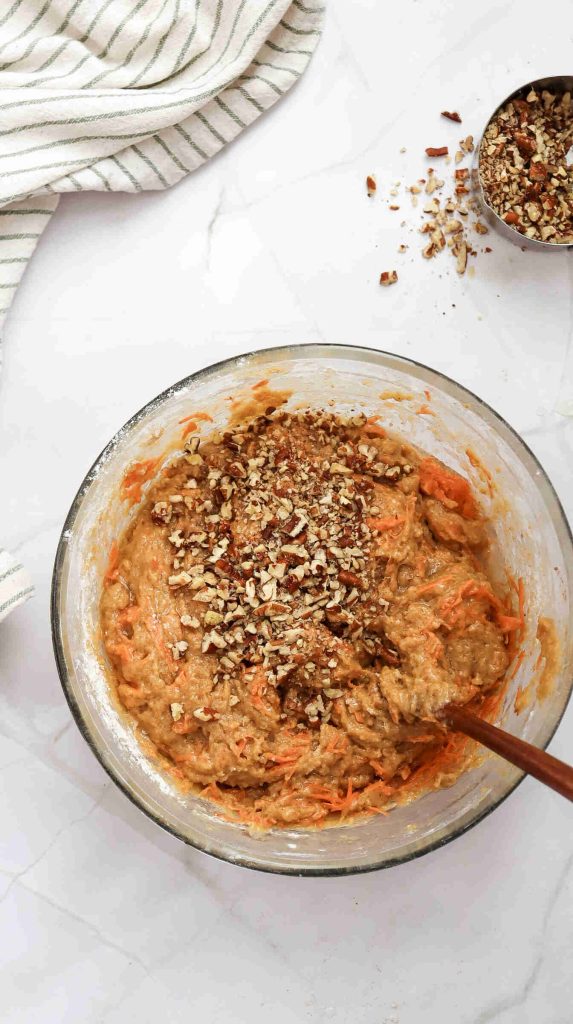
Add the grated carrots and chopped pecans and fold until they’re evenly spread through. If the carrots look wet, blot them with a paper towel first so the batter doesn’t loosen. Fold rather than stir, so you keep the air you just worked in.
6. Fill the bundt pan
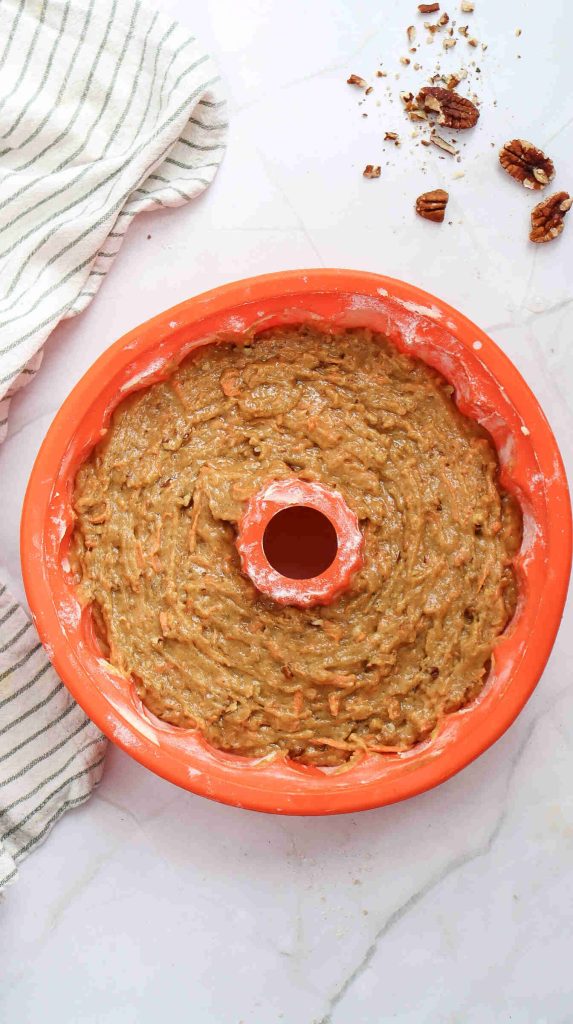
Spoon the batter in around the ring rather than tipping it all into one spot, which helps avoid big air pockets.
Smooth the top with a spatula, then tap the pan firmly on the counter two or three times.
7. Bake
Bake for 50 to 60 minutes at 350°F (175°C). Start checking at 45 minutes, since ovens vary. A long skewer into the thickest part should come out with a few moist crumbs and no wet batter.
With an instant read thermometer, you want the center to be 205 to 208°F (96 to 98°C).
If the top is browning faster than the inside is setting, tent it loosely with foil.
8. Cool and unmold
Cool in the pan for 15 to 20 minutes, then turn it out. Run a thin knife or small offset spatula around the center tube and the outer edge, set a wire rack on top, hold both together firmly and flip in one confident motion. Lift the pan away slowly, tapping gently if anything feels reluctant.
Don’t stretch that 15 to 20 minutes. Too short and the cake is still too fragile to hold itself together, too long and steam condenses against the pan and the crumb starts gripping the metal.
Give it another hour and a half or so on the rack so it cools completely. Frosting a cake that’s even slightly warm means the frosting thins out and slides straight off the sides.
9. Frost and decorate
Scoop the frosting into a bowl and stir until smooth. If it’s stiff, add 1 to 2 teaspoons (5 to 10 ml) of milk or cream and stir again until it comes off the spoon in a ribbon.
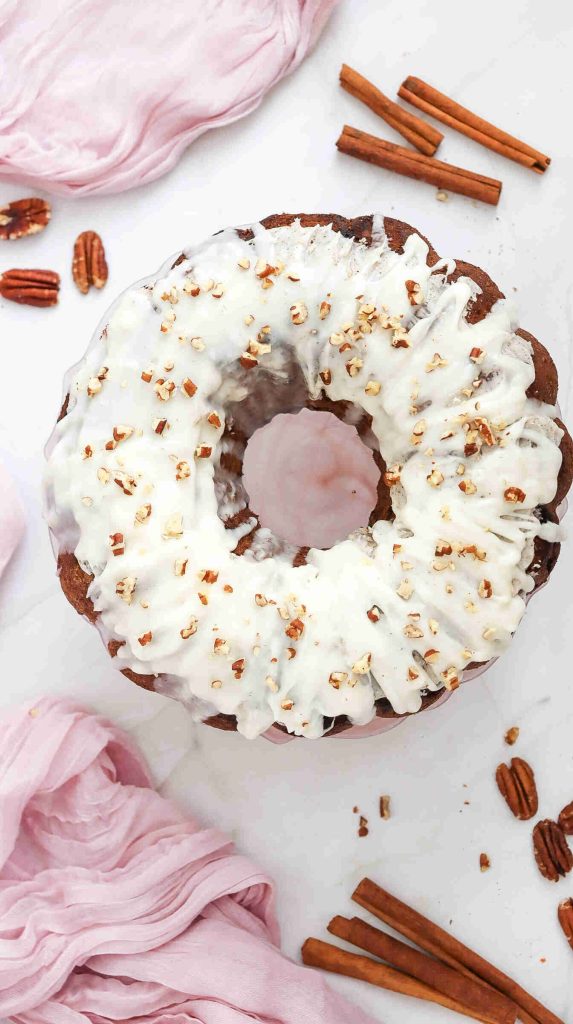
Spoon it over the top of the cake and let it find its own way down the ridges, nudging it along with the back of the spoon. Scatter the extra chopped pecans over while it’s still soft so they stick.
Tips and Variations
- Give it more spice if you want it. Half a teaspoon of ground ginger and a quarter teaspoon of allspice go in with the cinnamon and nutmeg without changing anything structural.
- Bake it a day ahead. The cake is happy wrapped and left on the counter overnight. Frost it on the day you’re serving for the cleanest drips.
- Storage. Covered at cool room temperature it keeps for 2 days, and in the fridge for up to 4. If your kitchen runs warm, move it to the fridge after the first day. Let refrigerated slices sit out for 20 to 30 minutes before serving. For longer, wrap slices individually in plastic, bag them, and freeze for up to 2 months.
Ways to Serve It
- On the Thanksgiving dessert table alongside the pies, for the people who would rather have cake.
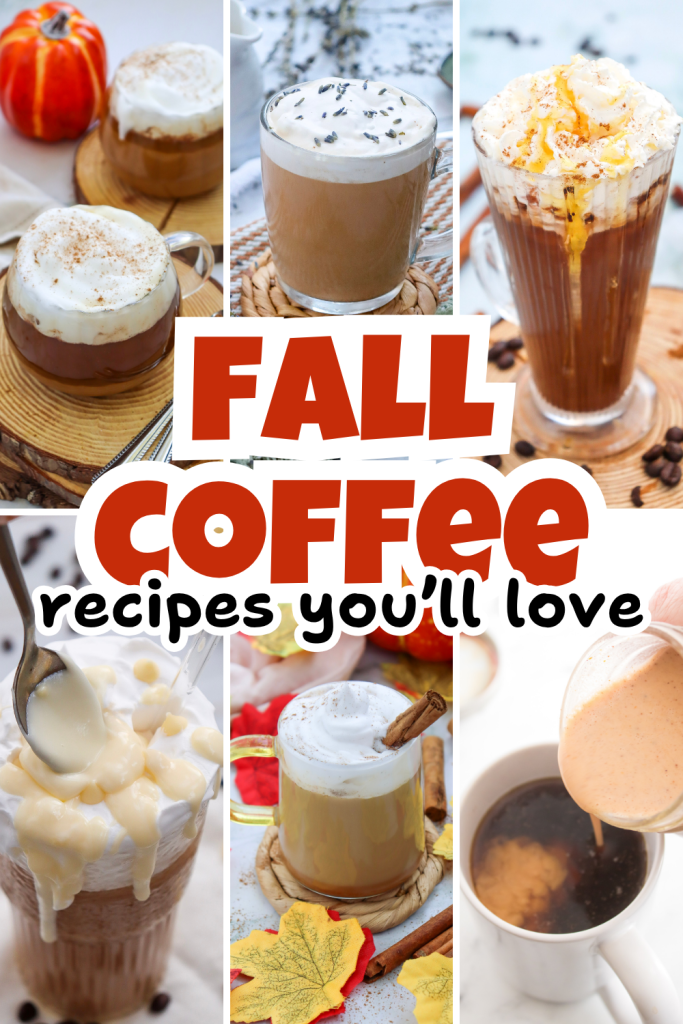
- Cut thick in the afternoon with something hot. Any of my fall coffee recipes works, and a cinnamon latte is the closest match to what’s in the cake.
- Slightly chilled, once the frosting has set firm and the slices cut clean.
- As the cake you carry to someone else’s house, since a bundt travels on its own plate without needing a box.
- On the counter under a dome on a weekend, getting picked at over three days.
A little cinnamon dusted around the base of the plate and a few pecan halves scattered nearby is all the styling it needs.
Questions You May Have About This Cake
Why did my bundt cake stick, and can I save it?
Three things cause it most of the time: a pan greased too far ahead of the batter, a worn non-stick surface that’s lost its slip, or leaving the cake in the pan well past that 20 minute mark. If it’s already stuck, try steam before you try force. Lay a bath towel in the sink, pour a kettle of boiling water over it, run in enough hot water to come about 3 inches up, cover the pan with foil and sit it in the water for a minute or two. The steam loosens the crust and the cake usually drops out. If it still comes away in pieces, layer the chunks with the frosting in glasses and serve it as a trifle. Nobody needs to know what it started as.
Does it need to go in the fridge because of the cream cheese frosting?
Not straight away. A tub of store-bought frosting is more stable than a homemade cream cheese frosting, so a couple of days under a dome at cool room temperature is fine. After that, or sooner in a warm kitchen, move it to the fridge. If you swap in a homemade cream cheese frosting, refrigerate from the start instead.
Can I use pre-shredded carrots from a bag?
You can, but the texture won’t be the same. Bagged shreds are cut much thicker than what a box grater gives you, and they stay recognizable in the finished slice rather than softening into the crumb. Grating two or three carrots takes a couple of minutes, and it’s the single change that makes the biggest difference to how this cake feels and tastes.
Can I freeze it?
Yes. Slices freeze better than a whole cake and take up far less room. Wrap each one tightly in plastic, put them in a freezer bag, and they’ll keep for 2 months. Thaw at room temperature. If you’re freezing the cake frosted, chill it uncovered first until the frosting firms up, then wrap it, so the plastic doesn’t pull the frosting away.
Related Recipes
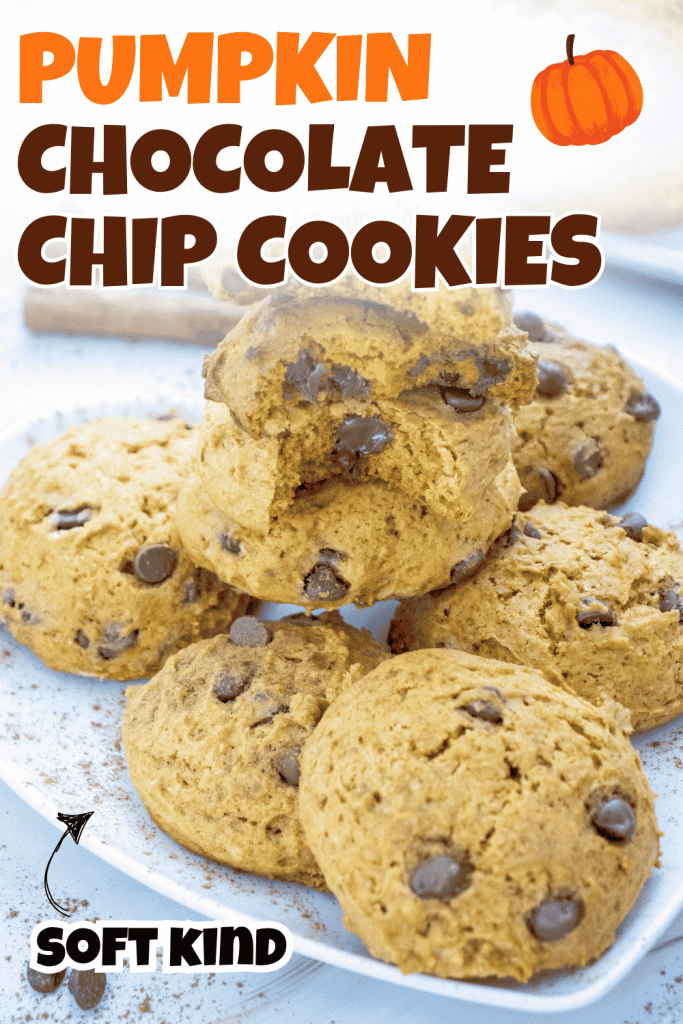
- Soft Pumpkin Cookies with Chocolate Chips. The handheld end of fall baking, for when you want something to hand around rather than slice.
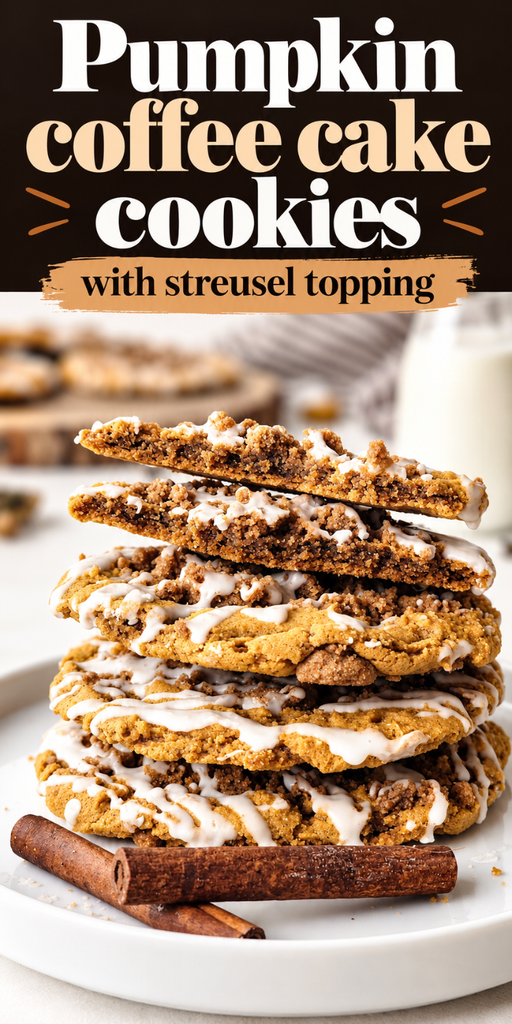
- Pumpkin Coffee Cake Cookies with Vanilla Glaze. The other fall bake for a slow Sunday, flat and chewy under a brown sugar streusel, and nothing to unmold.
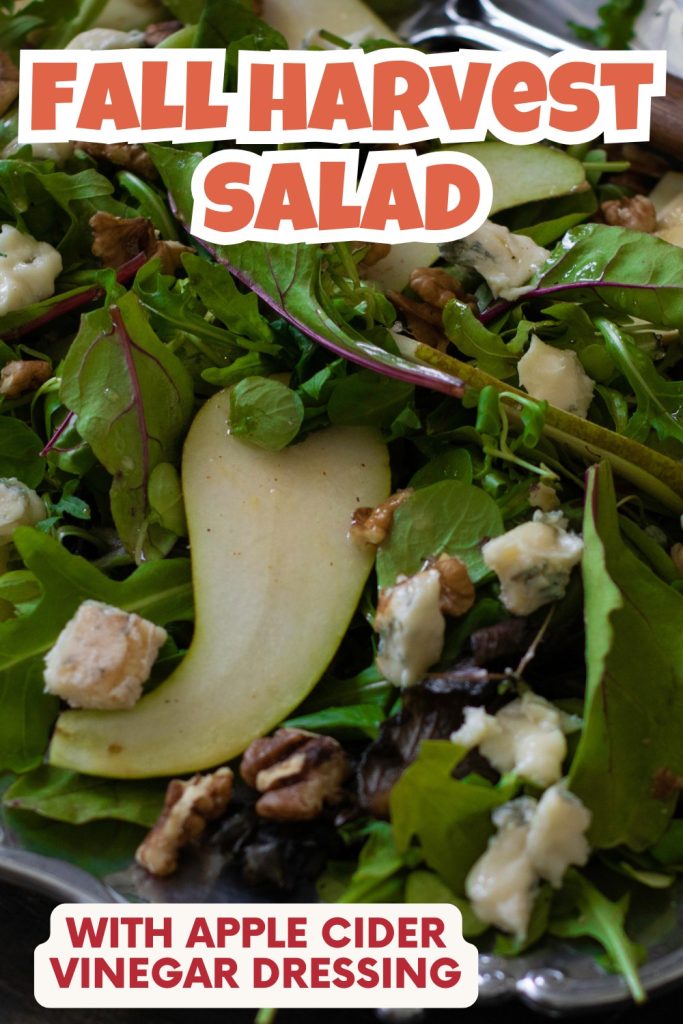
- Fall Harvest Salad Recipe. Pear, blue cheese and toasted walnuts, for the other end of the same Thanksgiving table.
- Best Fall Coffee Recipes. Seven drinks to put next to a slice, from pumpkin spice lattes to a London Fog.
Cut the First Slice
There’s a stretch of the year when the oven properly earns its keep, and a bundt like this one is a good way to open it. A cake on a stand takes up space in the best way, and people slice their own, which is half the pleasure of putting one out. It works on the Thanksgiving table, and it works just as well sitting under a dome getting picked at through the week. Pin this one so it’s waiting for you when the mornings turn cold. 🍂
Fall Bundt Cake Recipe with Carrots and Cream Cheese Frosting
Ingredients
For the cake
- 2 cups all-purpose flour 240 g
- 1 cup brown sugar packed (200 g)
- ½ cup pure maple syrup 120 ml
- 1 teaspoon baking powder 4 g
- 1 teaspoon baking soda 5 g
- 1 tablespoon ground cinnamon 8 g
- ½ teaspoon ground nutmeg 1 g
- ½ teaspoon salt 3 g
- 1 cup vegetable oil such as canola or sunflower (240 ml)
- 4 large eggs at room temperature
- 1 teaspoon vanilla extract 5 ml
- 1½ cups finely grated carrots from 2 to 3 medium carrots (150 g)
- ½ cup chopped pecans or walnuts plus extra for the top (60 g)
For the frosting
- 1 tub cream cheese frosting 8 oz (225 g)
Instructions
- Heat the oven to 350°F (175°C) with a rack in the center. Grease a 10 inch bundt pan thoroughly, getting into every ridge and around the center tube, then dust with flour and tap out the excess. Grease it right before the batter goes in.
- In a large bowl, whisk the flour, brown sugar, baking powder, baking soda, cinnamon, nutmeg and salt. Break up any brown sugar lumps first, then whisk 20 to 30 seconds.
- In a second bowl, whisk the oil, maple syrup, eggs and vanilla until smooth and slightly lighter in color.
- Pour the wet mixture into the dry in two or three additions, stirring gently with a spatula after each. Stop as soon as the flour streaks disappear. Scrape the bowl once.
- Fold in the grated carrots and chopped pecans until evenly distributed. Blot the carrots with a paper towel first if they look wet.
- Spoon the batter evenly around the pan, smooth the top, then tap the pan firmly on the counter two or three times.
- Bake 50 to 60 minutes, checking from 45 minutes. A skewer should come out with moist crumbs and no wet batter, or 205 to 208°F (96 to 98°C) in the center. Tent with foil if the top browns too fast.
- Cool in the pan 15 to 20 minutes. Run a thin knife around the center tube and outer edge, set a rack on top, flip, and lift the pan away.
- Cool completely on the rack, about 1 hour 30 minutes. Do not frost a warm cake.
- Stir the frosting until smooth, loosening with 1 to 2 teaspoons (5 to 10 ml) milk or cream if needed. Spoon over the cake and let it run down the ridges. Scatter chopped pecans over while the frosting is still soft.
Notes
- Grate the carrots yourself on the small or medium holes of a box grater. Bagged pre-shredded carrot stays stringy in the finished slice.
- Skip butter when greasing the pan. Use shortening or a baking spray that contains flour.
- Bake up to a day ahead, keep it wrapped at room temperature, and frost on the day you serve. Frosted, it keeps 2 days at cool room temperature or 4 days in the fridge. Slices freeze for 2 months.