Gingerbread Pound Cake with Molasses Glaze and Gingersnaps
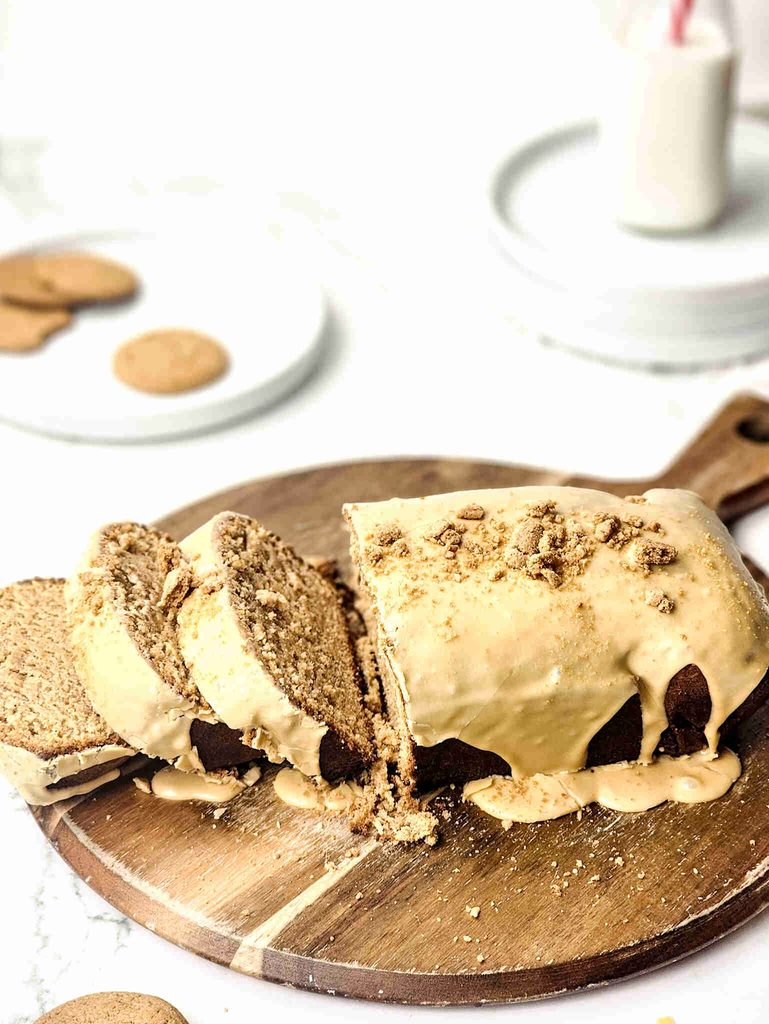
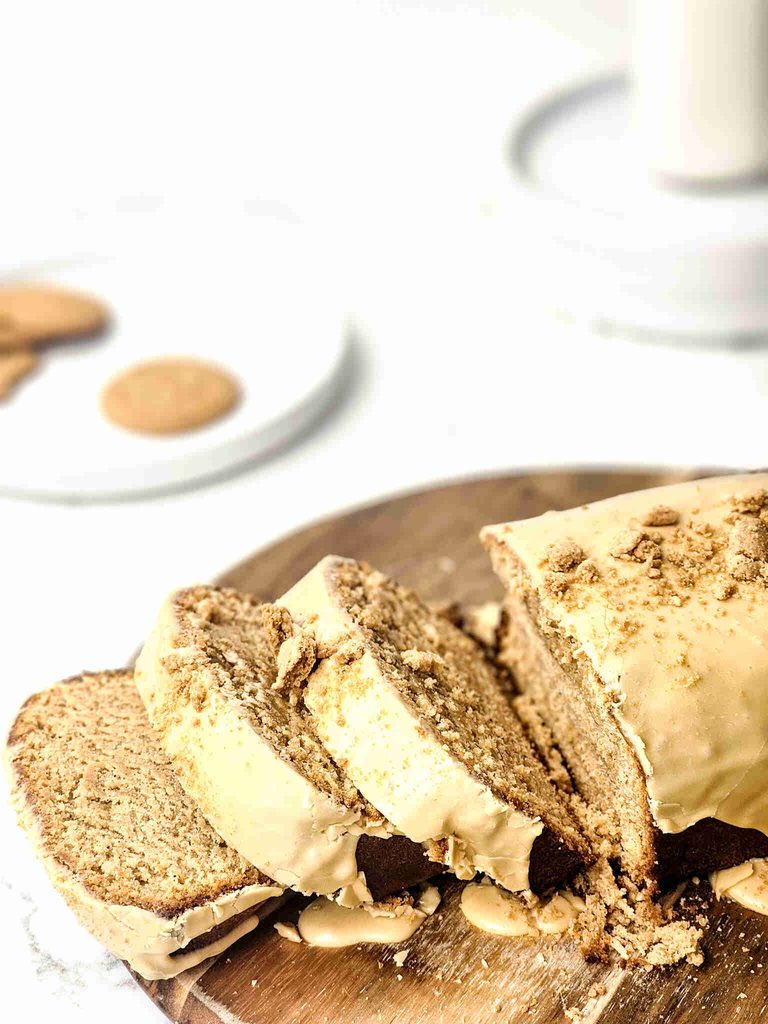
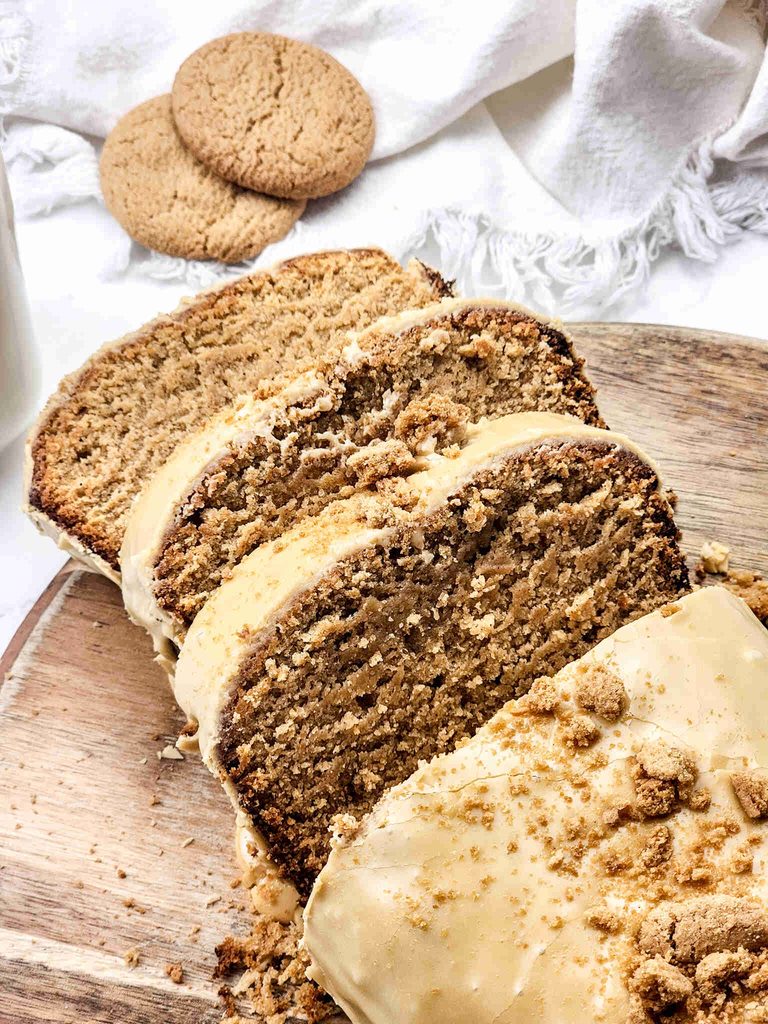
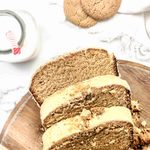
This gingerbread pound cake bakes a full tablespoon of ground ginger into a buttery, close-crumbed loaf, then gets a thick molasses glaze poured over the top so it runs down the sides.
Crushed gingersnaps scattered over the glaze finish it off, and the cake bakes in a single loaf pan. Save this one for the holidays and make it this weekend.
Why You’ll Love This Spiced Pound Cake
- Four warm spices, led by a full tablespoon of ground ginger, with cinnamon, nutmeg and allspice alongside it.
- One less thing to buy. There’s no baking powder or baking soda in it.
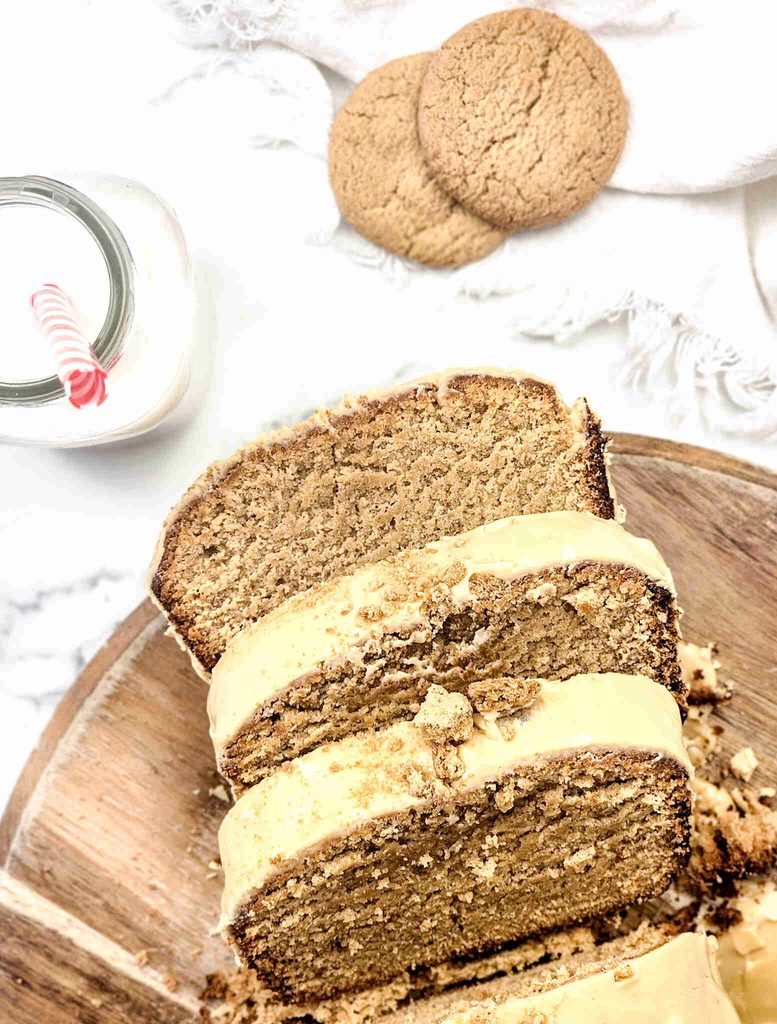
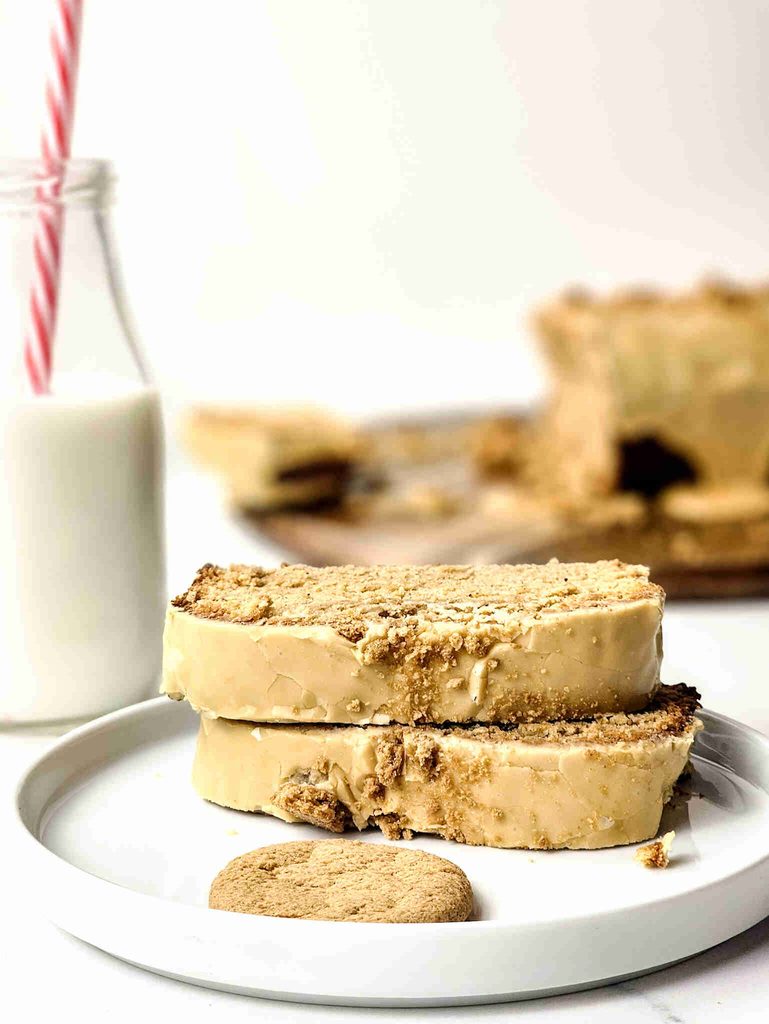
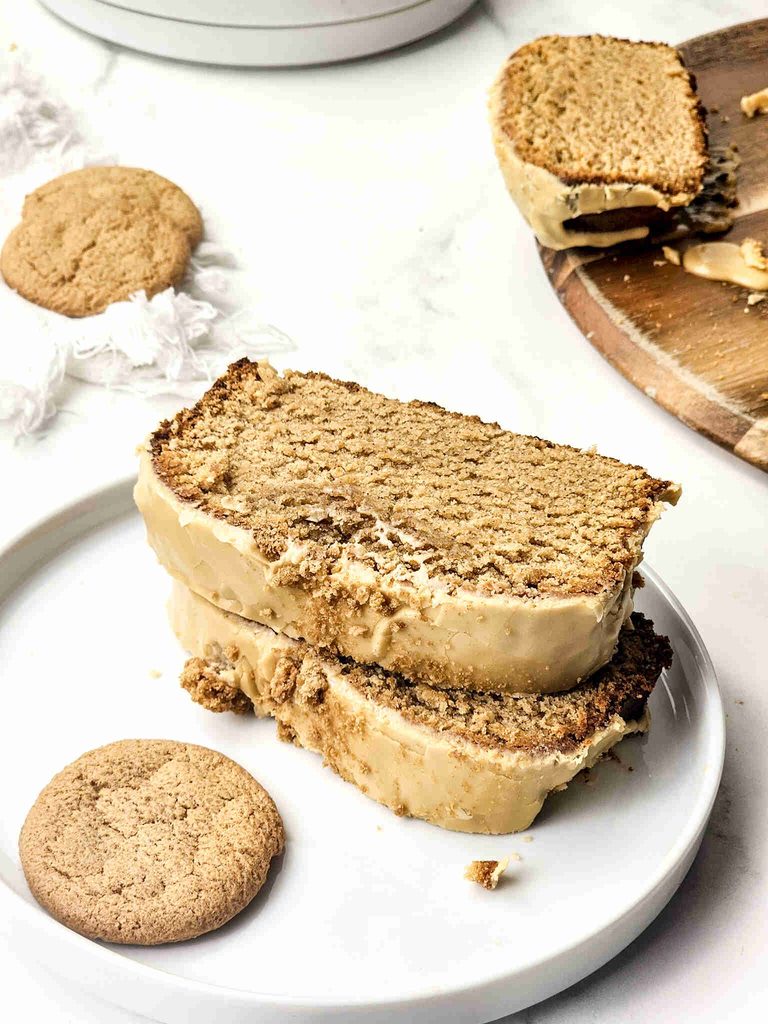
- A glaze that sets. It firms up into a smooth shell, so the slices stack neatly on a plate.
- Slices that hold together when you pick one up, which makes them easy to pack into a tin or a lunchbox.
When and Who This Is For
This is the cake for the weeks between Thanksgiving and New Year, when you want something sitting on the counter that you can cut a slice from over a few days. It’s a spiced pound cake at heart, with the close, buttery crumb of a classic pound cake and the spices of gingerbread. It’s paler than a dark gingerbread cake too, because it’s sweetened with white sugar and only 3 tablespoons of molasses go into the batter.
If you’re hunting for a Christmas pound cake recipe that skips the cranberries and peppermint, this is the gingerbread one. And when the holiday table calls for a gingerbread Christmas cake but stacking and frosting layers isn’t on your list, a glazed loaf on a board covers it.
There’s butter, eggs, sour cream and buttermilk in it, so it’s vegetarian but not dairy free, and the flour means it isn’t gluten free. The almond extract is the ingredient to check if you’re baking for someone with a nut allergy, and there’s a swap for it in the notes below. For a loaf with no dairy, eggs or nuts at all, my vegan Christmas zucchini bread is the one to bake instead.
Ingredients
Makes one 9×5 inch (23×13 cm) loaf, 10 slices.
For the cake
- 1½ sticks unsalted butter (¾ cup, 170 g), softened to room temperature
- 1½ cups granulated sugar (300 g)
- 3 large eggs, at room temperature
- 2 tablespoons sour cream (30 g), at room temperature
- 3 tablespoons molasses (63 g)
- 1 teaspoon vanilla extract (5 ml)
- 1 teaspoon almond extract (5 ml)
- 1½ cups all-purpose flour (about 180 g)
- 1 tablespoon ground ginger (about 5 g)
- 1 teaspoon ground cinnamon (about 2.5 g)
- ½ teaspoon ground nutmeg (about 1 g)
- ½ teaspoon ground allspice (about 1 g)
- 3 tablespoons buttermilk (45 ml), at room temperature
For the glaze
- 1 cup powdered sugar (about 120 g)
- 1 tablespoon molasses (21 g)
- 1 teaspoon vanilla bean paste (5 ml)
- 2 tablespoons milk (30 ml)
For the topping (optional)
- 2 to 3 gingersnap cookies, crushed
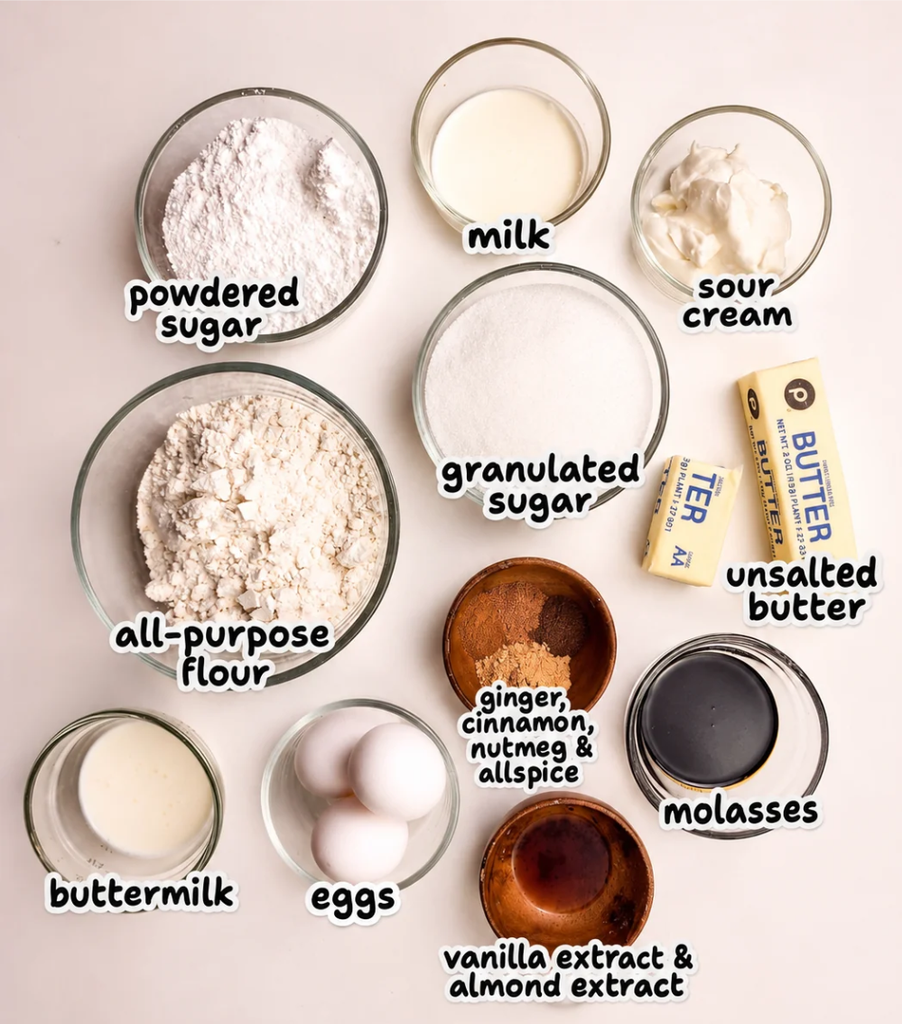
The glaze is powdered sugar flavored with molasses and vanilla bean paste, so it sets a light caramel color rather than a dark one.
Molasses goes into both the cake and the glaze. Use regular unsulphured molasses, light or dark, and leave the blackstrap on the shelf (there’s more on why in the questions below).
Butter, eggs, sour cream and buttermilk all need to be at room temperature, because cold eggs and dairy don’t blend smoothly into creamed butter. There’s no salt in this recipe, so if salted butter is what you have, use it. It just seasons the cake a little.
Almond extract sits in the background next to the vanilla. If you’re baking for someone with a nut allergy, replace it with another teaspoon of vanilla extract.
No buttermilk? Stir ½ teaspoon of lemon juice into 3 tablespoons of milk and let it sit for a few minutes before you use it.
Vanilla bean paste is what gives the glaze its tiny dark specks. A teaspoon of vanilla extract works in its place, and the glaze comes out plain instead of speckled.
Gingersnaps can be store-bought or homemade. Any crisp ginger cookie crushes well, including a couple of my stamped gingerbread cookies rolled thin.
How to Make This Gingerbread Pound Cake
1. Line the pan and cream the butter and sugar
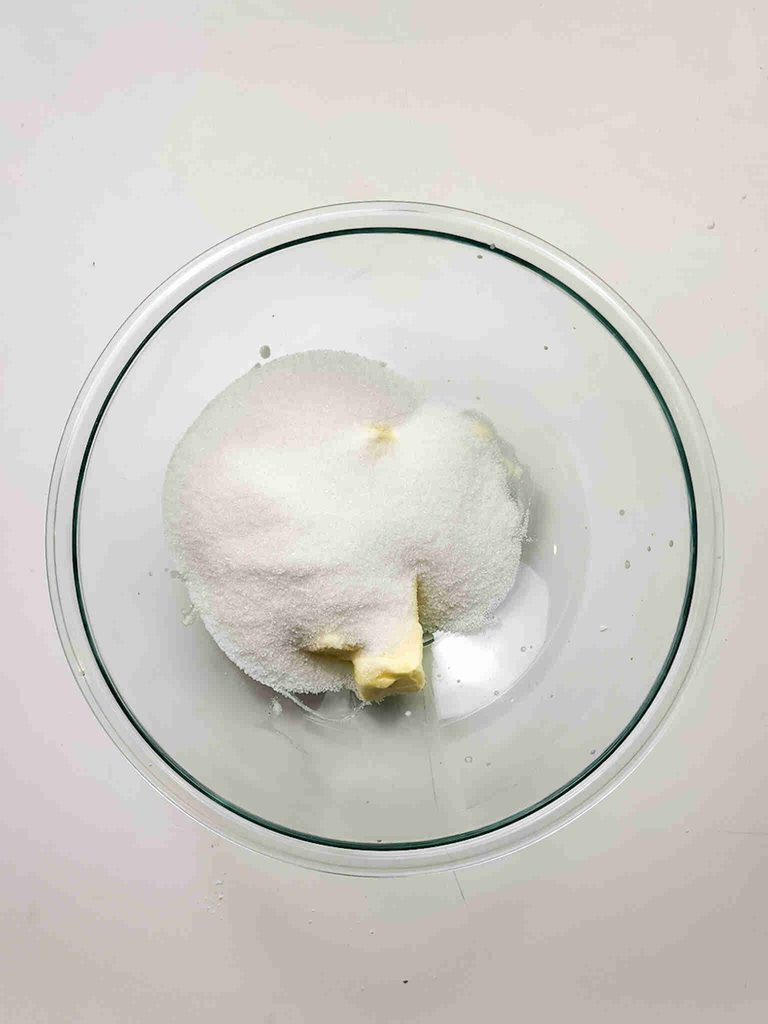
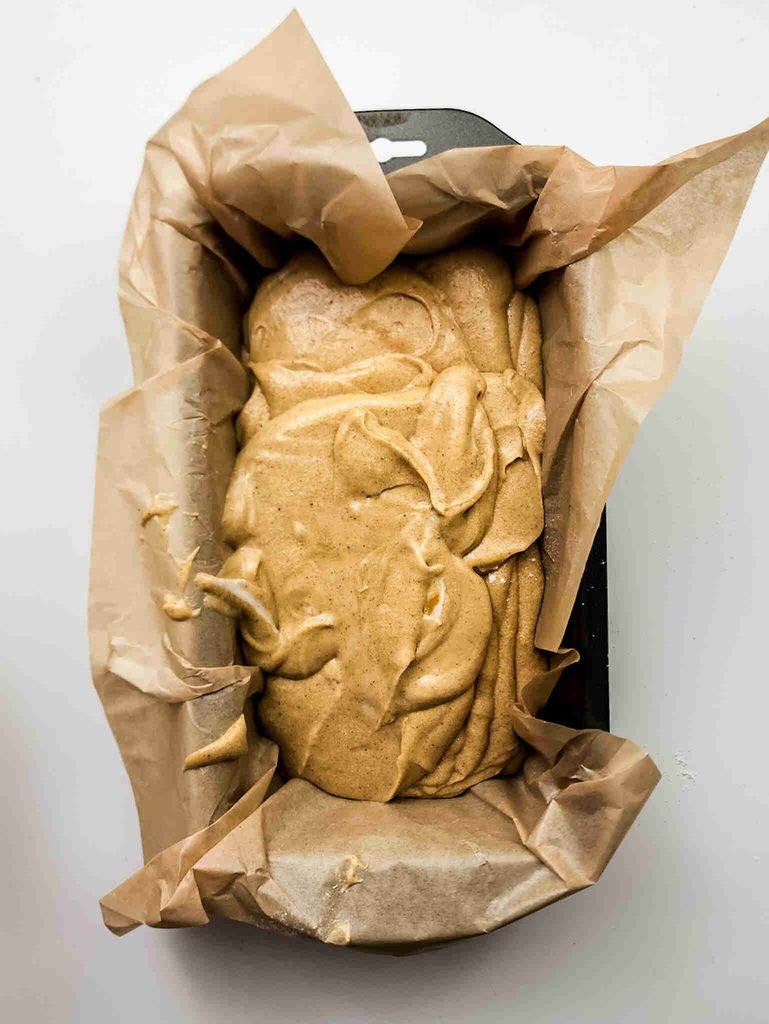
About an hour before you start, set the butter, eggs, sour cream and buttermilk on the counter. Heat the oven to 350°F (175°C) with a rack in the middle, and line the loaf pan with parchment, leaving some overhang on the long sides so you can lift the cake out later. The paper will crinkle in the corners, and that’s fine.
Beat the softened butter and sugar together until the mixture turns paler and lighter. With this much sugar to butter it won’t go smooth like frosting, so expect it to stay a little sandy.
2. Add the eggs, sour cream, molasses and extracts
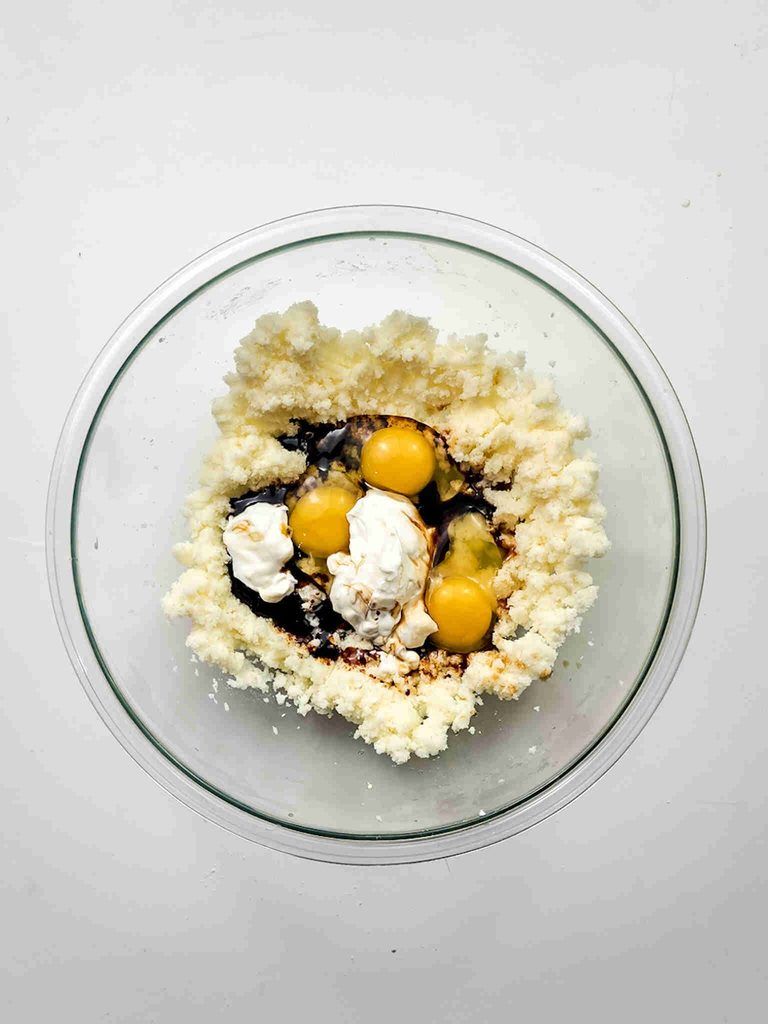
Add the eggs, sour cream, molasses, vanilla and almond extract to the creamed butter and beat for a few minutes to whip air into the batter. Along with the creaming, this is where the cake gets its rise, so don’t cut it short.
The mixture may look split or curdled partway through, especially if the eggs were a little cool. Keep going, because it comes back together once the flour goes in.
3. Add the flour, spices and buttermilk
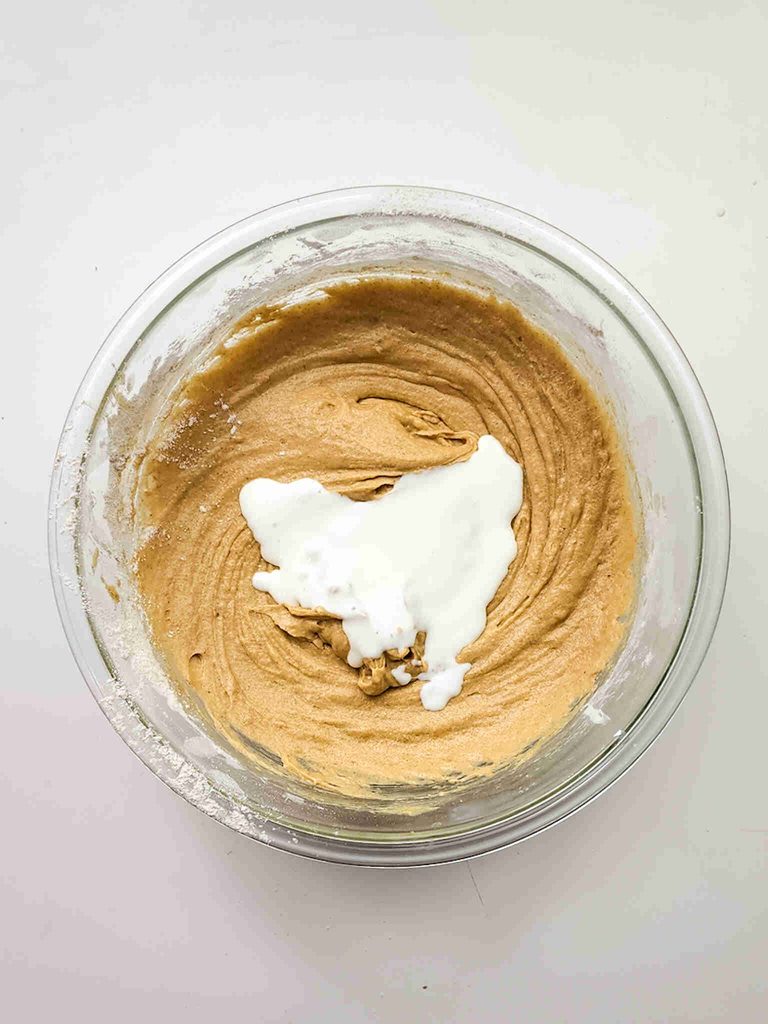
Whisk the flour, ginger, cinnamon, nutmeg and allspice together in a separate bowl. Add them to the batter a little at a time on low speed, then pour in the buttermilk and mix just until no dry flour is left. Scrape the bottom of the bowl once before the last few turns of the mixer, since a pocket of unmixed flour or butter down there is one of the things that bakes into a dense streak.
4. Fill the pan
Scrape the batter into the lined pan and spread it level. It’s thick enough to hold the marks of the spatula, so push it into the corners rather than waiting for it to settle on its own.
5. Bake and cool
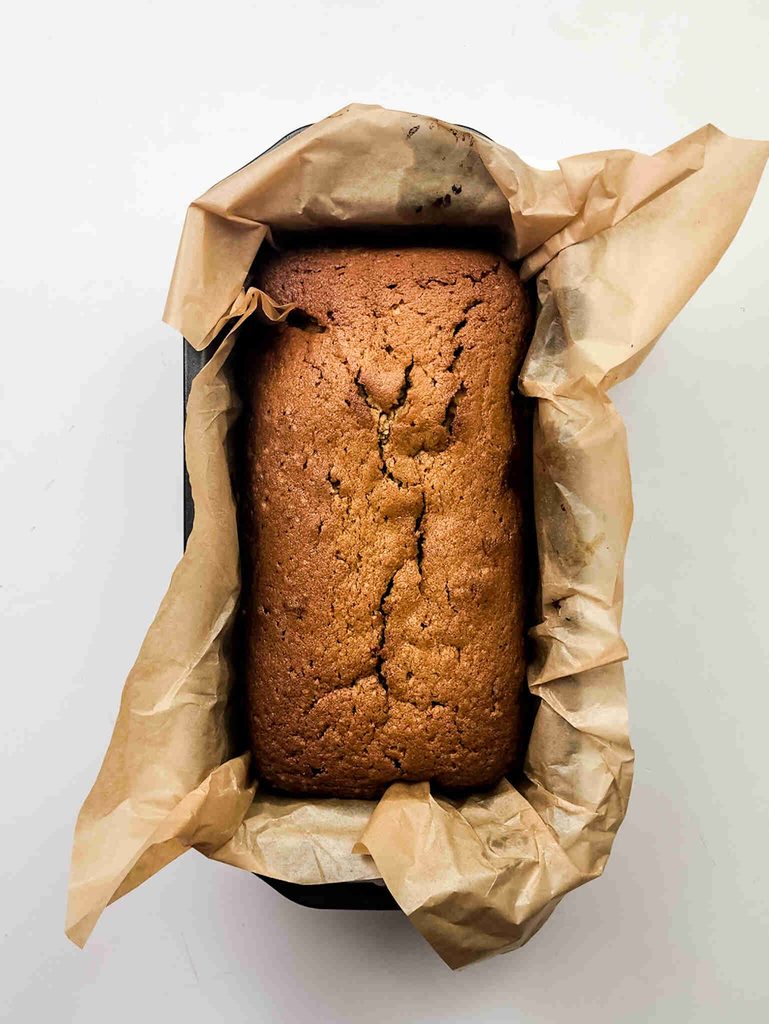
Bake for about 1 hour, until a toothpick pushed into the center comes out clean. Start checking at 50 minutes, and test the middle of the loaf rather than near the edges, since the center is the last part to set. A long crack down the top is normal for a pound cake, and you can see one on mine.
My pan is dark metal, which browns the outside faster. If the top is getting dark before the middle is done, lay a sheet of foil loosely over it for the rest of the bake.
Let the cake cool in the pan for 10 minutes, then lift it out by the parchment and set it on a wire rack until it’s completely cool, about 2 hours. Glaze poured onto a warm cake melts and slides off, so this wait matters.
6. Make the molasses glaze
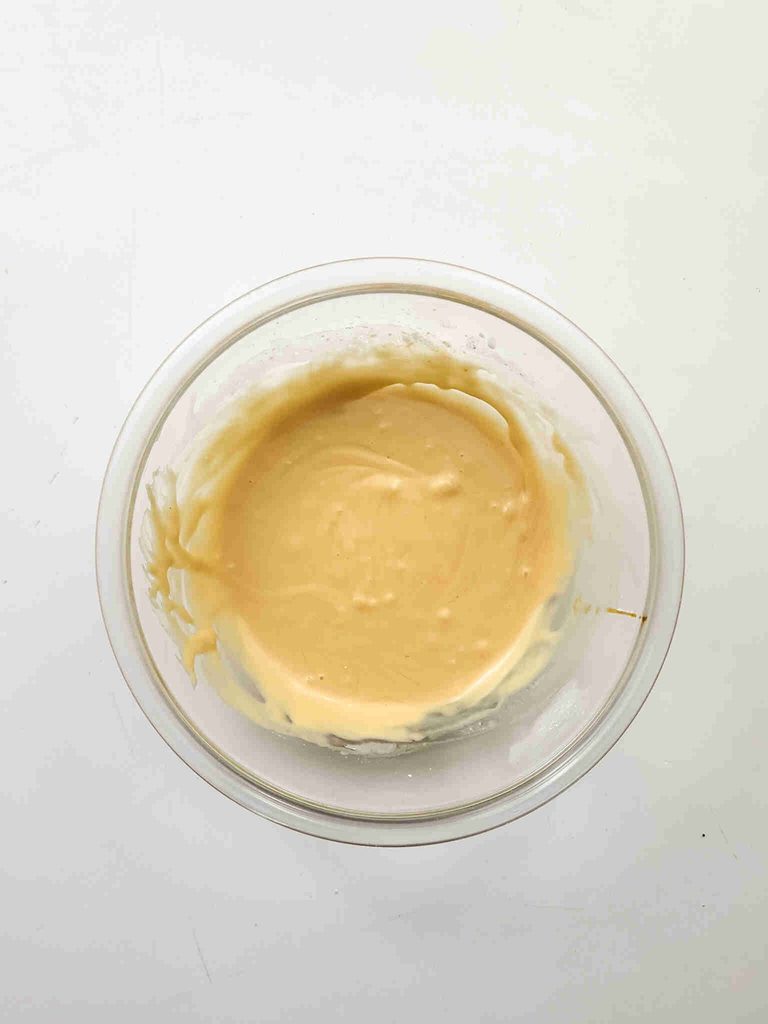
While the cake cools, whisk the powdered sugar, molasses and vanilla bean paste in a small bowl, then add the milk a little at a time until the glaze is smooth and an even light caramel color. You want it thick but still pourable, falling off the whisk in a ribbon that rests on the surface for a moment before it sinks back in. If it turns out runny, whisk in more powdered sugar a spoonful at a time.
7. Glaze the cake and add the gingersnaps
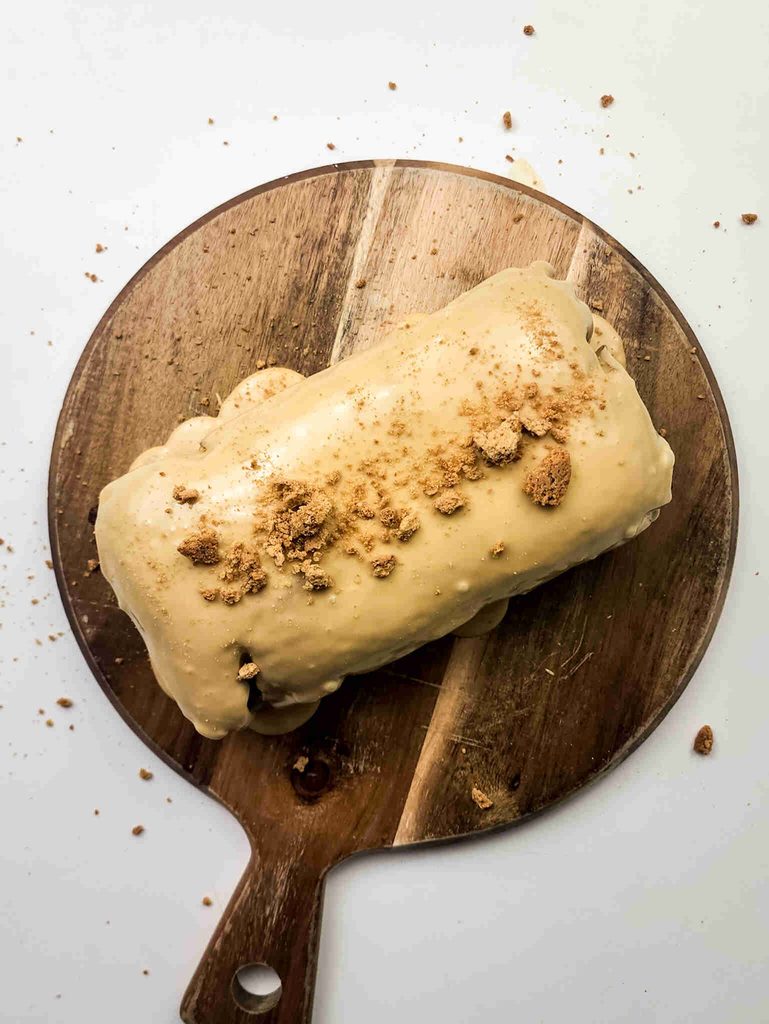
I glaze the cake right on the board I’m going to serve it on, because the glaze runs down the sides and pools around the base. A wire rack set over a tray works too. Pour the glaze over the top of the cooled cake and nudge it toward the edges with the back of a spoon so it drips down the sides.
Scatter the crushed gingersnaps over the middle straight away, while the glaze is still wet enough to hold them. Leave it until the glaze is set and dry to the touch before you slice. It firms into a smooth shell that cracks a little at the edges as you cut.
Tips and Variations
- Bake it a day ahead. Once the glaze has set, cover the cake and keep it at room temperature. It keeps that way for up to 3 days.
- Freeze it before glazing. Wrap the cooled, unglazed cake tightly and freeze it for up to 3 months. Let it thaw still wrapped, then glaze it on the day.
- Use an 8½x4½ inch pan if that’s what you have. The loaf comes out taller and may need a few extra minutes, so go by the toothpick.
- Bake it in a bundt pan. Double the recipe for a 10 to 12 cup bundt pan, greased and floured well, to make a tall spice pound cake for a crowd. The baking time changes with the pan, so test it with a skewer.
- Make mini loaves for gifts. Divide the batter between small loaf pans. They bake faster than one big loaf, so start checking well before the hour.
- Go darker. Swap half the granulated sugar for dark brown sugar for a deeper colored crumb and more molasses flavor.
- Change the topping. Chopped candied ginger works in place of the gingersnaps, or leave the glaze plain.
- Use the glaze on other bakes. It makes an easy icing for gingerbread cake of any kind, or a drizzle for sugar cookies.
Ways to Serve It
- With a cold glass of milk, for an after-school slice or a plate left out on Christmas Eve.
- Alongside coffee or a gingerbread latte on a slow weekend morning.
- As a plated dessert, with a scoop of vanilla ice cream and a spoonful of warm butterscotch sauce beside each slice.
- As a gift. Once the glaze has fully set, wrap the whole glazed gingerbread cake in parchment and tie it with string, or pack slices into a tin with parchment between the layers.
- At a potluck or an office party. It’s a holiday pound cake that travels well, since the glaze sets firm and the slices hold together.
Questions You May Have About This Gingerbread Pound Cake
Why doesn’t this recipe use baking powder or baking soda?
Because a traditional pound cake doesn’t need either. The lift comes from the air you beat into the butter and sugar, and then into the eggs, which is why steps 1 and 2 each take a few minutes. Without a leavener the crumb comes out tight and close-textured rather than fluffy, which is the classic pound cake texture. If yours came out flat and heavy, give the creaming and whipping more time next round.
Why is there a gummy streak at the bottom of my pound cake?
Bakers sometimes call it a sad streak: a dense, damp band near the bottom of the cake, or just under the top. Under baking is the most common cause, so test the very center of the loaf before you take it out. Cold ingredients that never fully blended, flour or butter left unmixed at the bottom of the bowl, and opening the oven door early in the bake can all cause it too. Room temperature ingredients, a scrape of the bowl before the last mix, and a toothpick in the middle of the cake take care of most of it.
Why did my pound cake turn out dry?
Usually it baked too long or there was too much flour in it. Spoon the flour into the cup and level it off rather than scooping it straight from the bag, since a packed cup holds more flour than the recipe means. Start checking at 50 minutes, and bake in a metal pan if you can, because a glass loaf pan holds heat differently and is a common reason a pound cake overbakes.
Why is my glaze running straight off the cake?
Either the cake is still warm or the glaze is too thin. Wait until the loaf is completely cool, then check the glaze: it should fall off the whisk in a thick ribbon. If it’s thinner than that, whisk in more powdered sugar a spoonful at a time. A few drips down the sides are part of the look, and you can see them pooling around the base in the photos.
Can I use blackstrap molasses?
I wouldn’t. When a recipe just says molasses, it means regular light or dark molasses. Blackstrap is boiled down further, so it comes out darker and noticeably bitter, and that bitterness would be hard to miss in the glaze, where the molasses isn’t baked into anything. Look for a jar labeled unsulphured molasses and skip the one marked blackstrap.
Related Recipes
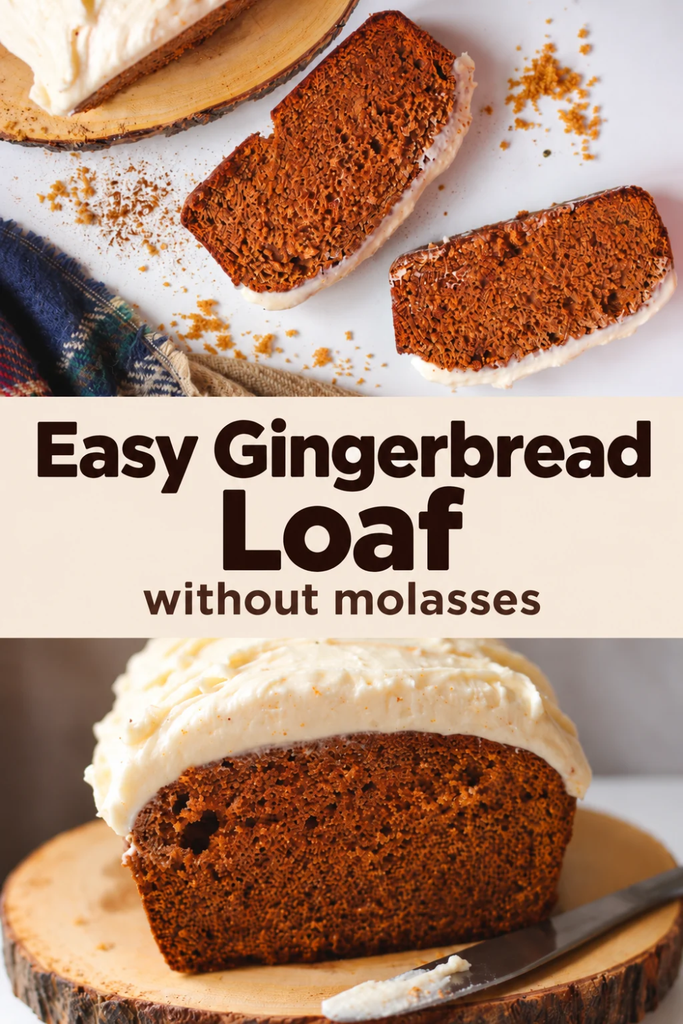
- Spiced Gingerbread Loaf Recipe Without Molasses. The one to bake when there’s no molasses in the cupboard, with cream cheese frosting instead of a glaze.
- Make Ahead Christmas Carrot Cake. A cinnamon and maple bundt that bakes a day or two early, for a holiday table that needs a second cake.

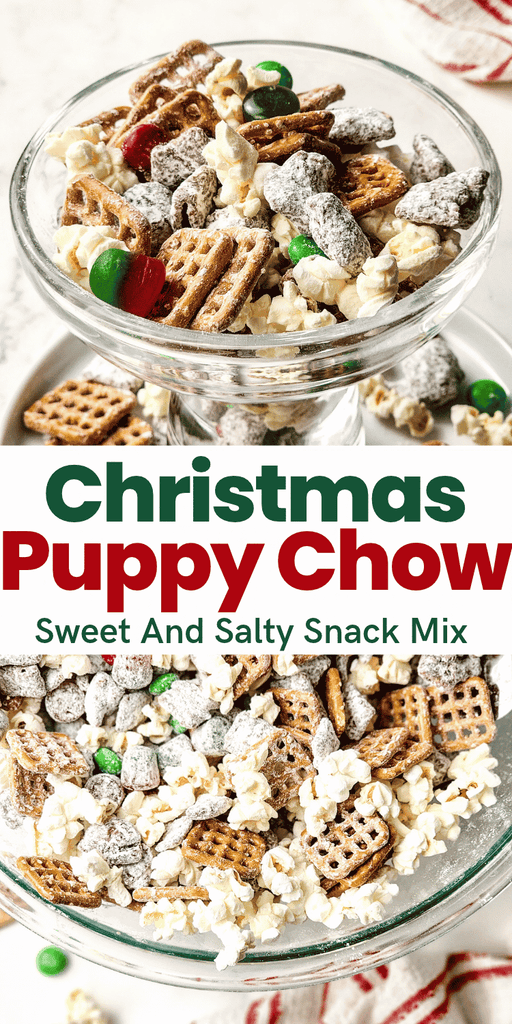
- Christmas Puppy Chow (Reindeer Munch). A no-bake bowl of chocolate, peanut butter and red and green candy to set out next to the cake.
Pour a Glass of Milk
Gingerbread season is short, and a glazed loaf on the counter is a good way to make the most of it. A buttery slice under a crackle of molasses glaze, with a cold glass of milk beside it, is reason enough to turn the oven on this weekend. Keep one slice for yourself and wrap the rest for a neighbor or the next holiday gathering. Save it to your Christmas baking board on Pinterest so it’s easy to find again next year. 🎄

Gingerbread Pound Cake with Molasses Glaze and Gingersnaps
Ingredients
For the cake
- 1½ sticks unsalted butter ¾ cup, 170 g, softened to room temperature
- 1½ cups granulated sugar 300 g
- 3 large eggs at room temperature
- 2 tablespoons sour cream 30 g, at room temperature
- 3 tablespoons molasses 63 g, regular unsulphured
- 1 teaspoon vanilla extract 5 ml
- 1 teaspoon almond extract 5 ml
- 1½ cups all-purpose flour about 180 g
- 1 tablespoon ground ginger about 5 g
- 1 teaspoon ground cinnamon about 2.5 g
- ½ teaspoon ground nutmeg about 1 g
- ½ teaspoon ground allspice about 1 g
- 3 tablespoons buttermilk 45 ml, at room temperature
For the glaze
- 1 cup powdered sugar about 120 g
- 1 tablespoon molasses 21 g
- 1 teaspoon vanilla bean paste 5 ml
- 2 tablespoons milk 30 ml
For the topping
- 2 to 3 gingersnap cookies crushed, optional
Instructions
- Heat the oven to 350°F (175°C). Line a 9×5 inch (23×13 cm) loaf pan with parchment, leaving an overhang on the long sides.
- Beat the butter and sugar until paler and lighter. It will stay slightly sandy.
- Add the eggs, sour cream, molasses, vanilla and almond extract and beat for a few minutes. It may look curdled, which is fine.
- Whisk together the flour, ginger, cinnamon, nutmeg and allspice. Add to the batter gradually on low speed, then add the buttermilk and mix just until no dry flour remains.
- Spread the batter in the pan. Bake for about 1 hour, until a toothpick in the center comes out clean, checking from 50 minutes. Tent loosely with foil if the top browns too fast.
- Cool in the pan for 10 minutes, then lift out and cool completely on a wire rack, about 2 hours.
- Whisk the powdered sugar, molasses and vanilla bean paste, then add the milk gradually until the glaze is smooth, thick and pourable.
- Pour the glaze over the cooled cake, scatter the crushed gingersnaps over it while it’s wet, and let the glaze set before slicing.
Notes
- Make ahead and storage: bake and glaze the cake up to a day ahead. Keep it covered at room temperature for up to 3 days.
- Freezing: wrap the cooled, unglazed cake tightly and freeze for up to 3 months. Thaw it wrapped, then glaze.
- Swaps: salted butter works, since the recipe has no other salt. For a nut allergy, replace the almond extract with another teaspoon of vanilla extract. Vanilla extract can stand in for the vanilla bean paste in the glaze.


